

Know and Appreciate
How to identify counterfeit Extra Virgin Olive Oil
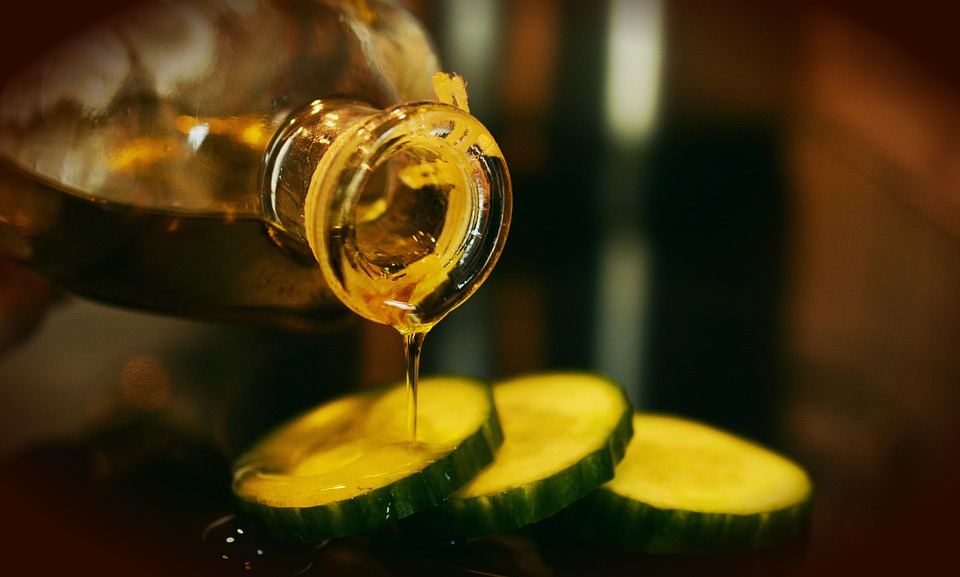
Counterfeit extra virgin olive oil is one of the most profitable frauds in the global gastronomic landscape. Italian oil, in particular, is imitated on a massive scale. In some cases, this is done entirely illegally: by blending and refining oils to pass them off as something they truly are not.
While scientific certainty of counterfeiting requires laboratory tests by competent authorities, consumers can conduct their own investigation.
By carefully evaluating aroma, color, appearance, labeling, and price, you can deduce vital information about the quality of the oil you have purchased.
Before observing the oil, it is essential to understand the classic deceptions in this sector. Fortunately, the excellence of true Italian Extra Virgin Olive Oil (EVOO) cannot be artificially reproduced without arousing suspicion. Remember: to be defined as Extra Virgin, an oil must be produced solely by mechanical means and must not exceed an acidity level of 0.8%. Virgin olive oil, by contrast, can reach up to 2% acidity.
Counterfeit EVOO: The most common adulterations
Among the most widespread frauds is the practice of mixing different types of oils to obtain a final product that only looks like extra virgin but lacks its qualities.
In some cases, unscrupulous companies sell seed oils colored with chlorophyll and beta-carotene (substances which, while not harmful to health, are fraudulent). “Lampante” oil—originally intended as fuel—cannot be used for food. Sometimes it is deacidified, bleached, and deodorized, then mixed with a small amount of olive oil and sold on supermarket shelves.
Another non-edible byproduct is pomace oil, the residue from olive processing. To be marketed as cooking oil, it is refined using chemical products and blended with extra virgin oil. Here are some useful tips to recognize a counterfeit table oil.
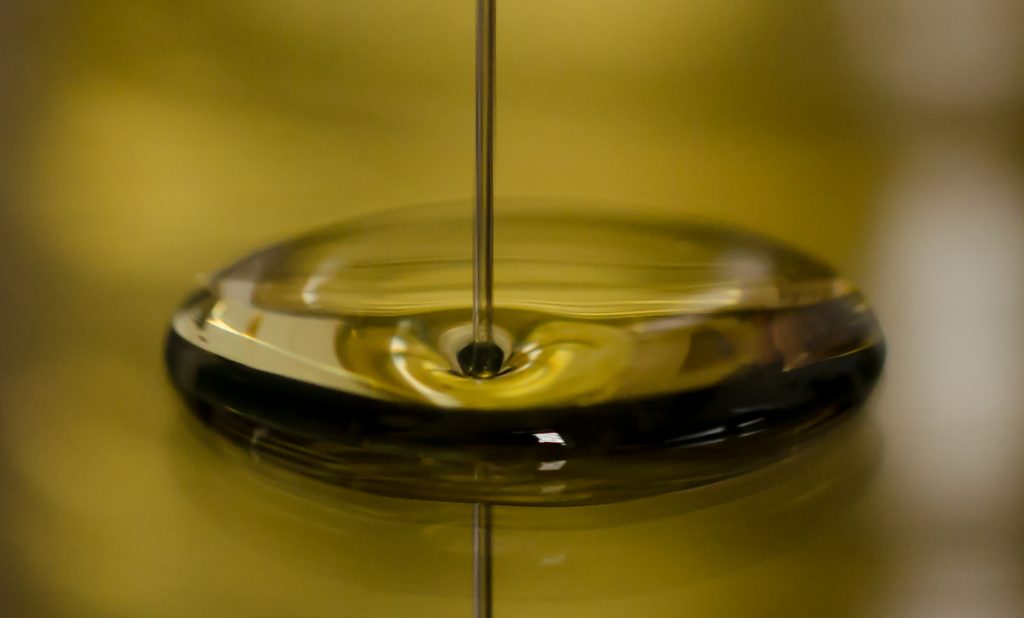
How to recognize a counterfeit extra virgin olive oil
- Vague Labeling: To ensure you are buying a high-end product, check the label for detailed information. The DOP (PDO – Protected Designation of Origin) mark, for example, guarantees certain provenance. Look for local consortium symbols, organic production methods, raw material origins, pressing techniques, and specific cultivars used. Another quality index is the expiration date: EVOO maintains its properties for about 18 months from bottling.
- Suspiciously Low Prices: While everyone wants to save on groceries, price is a major red flag with olive oil. One liter of true EVOO costs an average of over €8 to produce, before considering labeling, VAT, bottling, and retail margins. A realistic price for a high-quality product is at least €15 per liter.
- Color, Aroma, and Flavor: The color of true EVOO is intense, ranging from golden yellow to the emerald green typical of Central Italian regions like Tuscany and Lazio (home to the world-renowned Canino oil). Non-extra virgin oil has a much paler hue. However, since chemical dyes can deceive the eye, you must cross-reference color with aroma. The scent of a good EVOO is unmistakable even to untrained noses. The final quality indicator is a bold, savory, and intense flavor.
The I&P Guarantee While the market fills with doubt, we at I&P certify purity. Each Grand Cru is an unrepeatable sensory experience: notes of fresh artichoke, sweet almond, aromatic herbs, or the spicy vigor of the Tuscia region. Do not settle for just any oil; choose the identity awarded by the world’s greatest Chefs. Enter our Boutique and discover your flavor.
BOUTIQUE